

Knee replacement · Naples, Florida
The Jiffy Procedure
A muscle-sparing approach.
A plan tailored to your knee.
Discover the subvastus approach to knee replacement with Dr. Leon Mead—and learn whether it may be right for you.

Understanding your options
What is the Jiffy Procedure?
The term “Jiffy procedure” is commonly used to describe the subvastus approach to knee replacement. An approach is the pathway a surgeon uses to reach the knee joint. It is separate from the replacement components implanted during surgery.
In a traditional medial parapatellar approach, the surgeon opens part of the quadriceps tendon to reach the joint. In the subvastus approach, the surgeon works beneath the vastus medialis—the muscle on the inner lower thigh—without dividing the quadriceps muscle or tendon.
The kneecap is moved aside to expose the joint and returned to its position after the replacement components are placed. Both approaches allow the surgeon to prepare the bone and implant the knee replacement components.
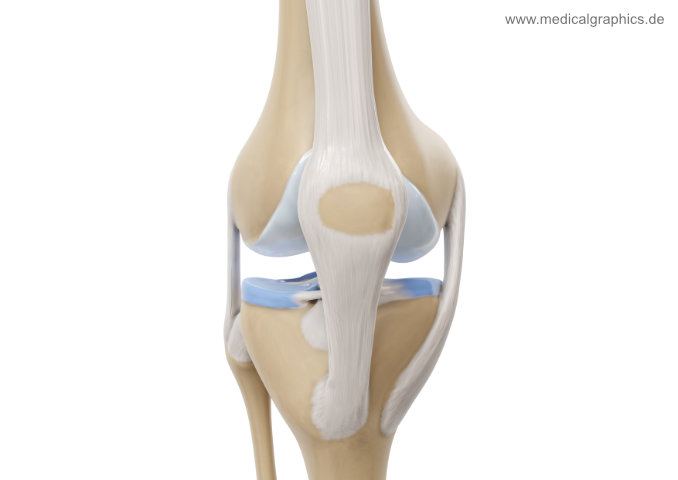
Illustration: www.MedicalGraphics.de · CC BY-ND 4.0.
Muscle-sparing access
Potential benefits during early recovery
Preserving the quadriceps muscle and tendon may offer advantages in the early stages of recovery.
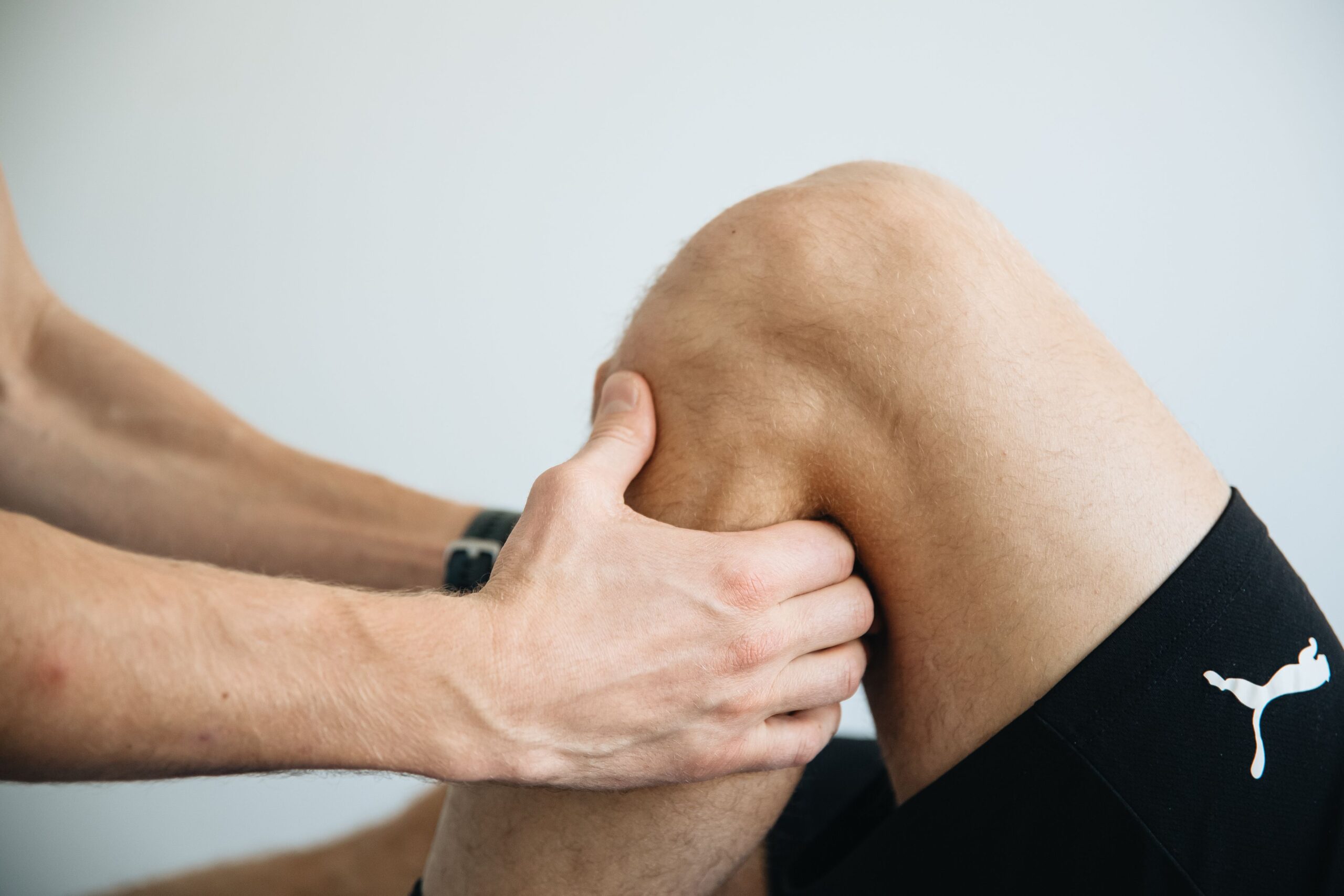
Early muscle control
Earlier quadriceps control may help with lifting the straightened leg after surgery.
Less tissue disruption
Limiting soft-tissue trauma may help reduce early pain, swelling, and inflammation.
Early knee movement
Preserving the muscle and tendon may make early range-of-motion exercises easier.
These are potential benefits, not guaranteed results. Recovery varies with your knee, overall health, rehabilitation, and other individual factors.
An individual decision
The right approach starts with your knee
The subvastus approach is not the best choice for every patient. A very stiff knee, a severe deformity, or certain anatomical differences may require a wider view of the joint. In these situations, another approach may better support a safe operation and recovery.
Dr. Mead evaluates each knee individually and discusses which approach is appropriate for the patient’s anatomy, condition, and goals.

Dr. Leon Mead
Decades of experience.
Personalized care.
The subvastus approach has been used for knee replacement for decades. Dr. Mead learned the technique from Dr. Aaron Hoffman, who helped introduce its use in knee replacement, and has used it for nearly 30 years.
Since 1989, Dr. Mead has performed nearly 8,000 knee replacements, most using the subvastus approach. His experience informs a simple priority: choosing the approach that fits the patient.
subvastus approach
since 1989
Patient education
Common questions
Is this a different knee implant?
No. The approach describes how the surgeon reaches the joint. The choice of replacement components is a separate decision.
Is the subvastus approach new?
No. It has a long history and has been used for knee replacement for decades. The Jiffy name has brought renewed public attention to the approach.
Does muscle-sparing mean there is no incision or recovery period?
No. Knee replacement still requires an incision, bone preparation, and rehabilitation. Muscle-sparing refers specifically to preserving the quadriceps muscle and tendon during access to the joint.
How do I know whether I am a candidate?
A consultation allows Dr. Mead to assess your symptoms, examine your knee, review imaging, and explain the available options.
Explore your knee replacement options
Talk with Dr. Mead about knee pain, the subvastus approach,
and a treatment plan tailored to you.
Appointments Monday–Friday, 9am–5pm.